Synod: Study Group interim reports released
The Study Groups, which Pope Francis established in March 2024, have produced reports on the work completed thus far, beginning with the conclusion of the Synod on Synodality. The final reports must be delivered to Leo XIV by December 31st. The digital mission, women's roles, ecumenism, polygamy, liturgy, nuncios' ministry, and bishop selection are some of the subjects discussed.
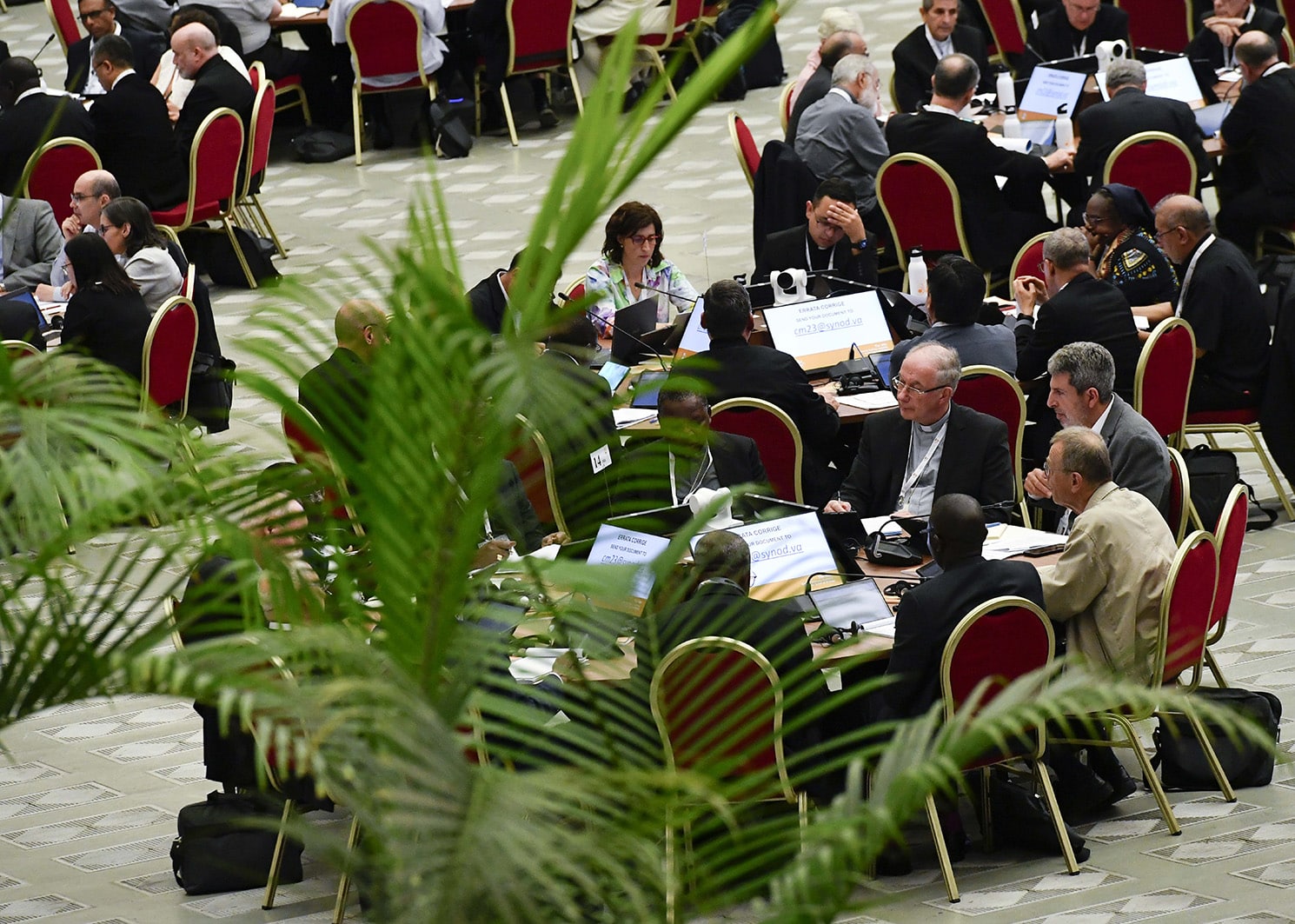
Today, November 17, the ten Study Groups tasked with examining the issues that surfaced during the two sessions of the Synod on Synodality released their Interim Reports, twenty months after they were established at Pope Francis' request for greater cooperation between the General Secretariat of the Synod and the Dicasteries of the Roman Curia. Following the first reports' presentation at the assembly's second session in October 2024, this is a step forward.
Two new groups
The subjects covered range from mission in the digital world to ministries and women's involvement in the Church; from ecumenism to "controversial" doctrinal issues—better described as "emerging" issues—like violence against women in the context of war; from relations between Eastern Catholic Churches and the Latin Church to the role of nuncios and the selection of bishops.
The reports were accompanied for the first time by the contributions of the Group on Liturgy in a Synodal Perspective, the Canon Law Commission, and SECAM (Symposium of Episcopal Conferences of Africa and Madagascar) regarding the problem of polygamy. The latter, which started work at the end of July 2025, is one of two new groups that Pope Leo XIV wanted in light of the Final Document. The other, which deals with the Statutes of Particular Councils, Ecclesial Assemblies, and Episcopal Conferences, is still being developed.
Extension of the deadline for submitting final reports
By the end of June 2025, the Pope was to receive the reflections from each Group. The deadline had to be extended due to Francis's passing, Pope Leo's election, and the need for additional time for the work. Leo XIV approved the extension last July and requested that the final reports be delivered to him "as far as possible" by December 31, 2025. In an accompanying note, Cardinal Mario Grech, Secretary General of the Synod, states that "some groups are now nearing completion of their work, while others will continue in the months ahead."
Relations with the Eastern Churches
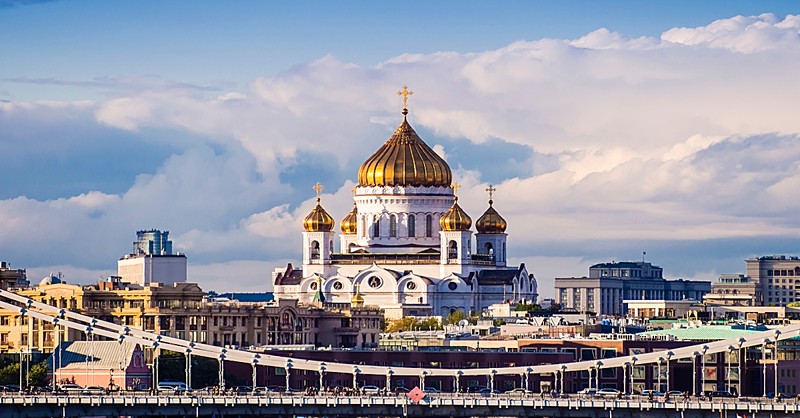
Study Group 1, whose members were chosen by the Dicastery for the Eastern Churches, prepared the first report on the relationship between the Eastern Catholic Churches and the Latin Church. The work of Group 1 and the Preparatory Group, which concentrated exclusively on the pastoral care of Eastern faithful in the diaspora without a hierarchy, was revealed by a questionnaire consisting of 25 questions, "proposals and suggestions" developed by the Council of Catholic Patriarchs of the Middle East, and a consultation on "topics of common interest." The Group plans to develop a number of topics, including the potential revision of Eastern Canon Law norms.

The cry of the poor and the earth
In Study Group 2, four women and three men from five continents, both religious and lay, worked on the theme of paying attention "to the cry of the poor and the earth." The members held multiple Zoom meetings, reached out to numerous networks and local churches, and compiled the recommendations of pastoral workers, theologians, and bishops in the report that has been developed thus far.
In addition, the Group discussed the involvement of people with disabilities in church life with the Australian Bishops' Conference's Office for Disability, gathered over 200 donations from women's religious institutions, and conferred with the UISG.
While the final report is being written, each group member is pledged to "engage with people of communities made poor or marginalised in their continent of origin" as part of this "feedback loop".
Mission in the digital environment
Study Group 3 investigated the issue of the Church's mission in the digital sphere in response to the Synod's call for synodality, paying particular attention to hearing from a variety of perspectives, including academics, theologians, Holy See representatives, and communication specialists. Group 3 also conferred with the Dicastery for Communication's 84 Communication Offices of the Bishops' Conferences.
Additionally, the project "The Church Listens to You" was introduced, showcasing the digital accompaniment experiences of 1,618 digital missionaries from 67 countries with youth and marginalised communities.
It was also crucial to have a conversation with the Pontifical Commission for the Protection of Minors, whose members brought up protection and ethical concerns in digital settings.
Three thematic working groups were formed to enhance dynamics, bringing together academics, pastoral specialists, digital creators, and young people under 35 from around the globe. The final report is currently being worked on and will be updated with the findings from the Jubilee of Catholic Influencers.
The revision of the Ratio on priestly formation
Study Group 4's report on the Ratio Fundamentalis Institutionis Sacerdotalis, the 2016 document on priestly formation, describes a lengthy journey.
Considering that the Ratio is "a recent document still in the process of being received" and "has already introduced significant innovations related to the Church's synodal and missionary dimensions," the viewpoint is that of a synodal revision of the Ratio. A thorough revision of the Ratio does not currently seem appropriate because Ratio Nationalis are currently being prepared (some have already been confirmed by the Dicastery for the Clergy, while others are being drafted).
In addition, Group 4's report emphasises that there are "a series of needs" in the current era that cannot be disregarded.” A "more deeply rooted in the lived experience of the People of God" formation is necessary, as are "joint formation moments involving lay people, consecrated persons, ordained ministers, and seminarians; and greater participation of women and families in the formation of ordained ministers."
All of this prompts us to think about creating a Preliminary Document to the Ratio Fundamentalis. This should also consider the "important encouragements" expressed by Synod members since October 2024, such as the difficulties posed by AI and social networks, as well as the arrangement of seminaries.
The participation of women in the life of the Church
The final report on the specific topic of "the participation of women in the life and leadership of the Church," as indicated by the General Secretariat of the Synod, is being worked on by the Dicastery for the Doctrine of the Faith, which corresponds with Group 5. Apart from collecting and evaluating a "vast body" of data, the Dicastery has "actively invited the contributions of numerous women who are already significantly involved in the mission and leadership of the Church."
More specifically, an appendix outlining the "substantial material" that the Dicastery received will be included in the final report, along with a summary of the major findings and points of consensus about women's roles. The testimonies of women who work in the Roman Curia or take part in Church leadership, critical tensions between clericalism and male chauvinism, and the contributions of Pope Francis and Pope Leo XIV regarding women's roles in the Church comprise the seven sections that make up this material.
The first draft of the study was examined with experts at the Dicastery as early as July 2025. Their input will also be used in the second section.
According to the interim report, "all synodal contributions related to this subject have been forwarded to that Commission for its consideration" in relation to the matter of "women's access to the diaconate," for which Pope Francis has "reactivated" the Second Study Commission on the Female Diaconate's work.
"The Dicastery anticipates delivering the final product of its work in the upcoming months without any delays."
Relations between bishops, consecrated life, ecclesial associations
The work of Study Group 6 was divided into three thematic subgroups that looked at the links between bishops and consecrated people, the collaboration between Episcopal Conferences and Conferences of Major Superiors, and the ties between local churches and ecclesial associations.
Bishops, consecrated men and women, and laypeople from different areas exchanged views based on the Magisterium and personal experience.
Before writing the final report, the subgroups produced a summary report after discussions, questionnaires, interviews, and dialogues (not without some "challenges"). During this last stage, the Unions of Superiors General (UISG and USG) and the competent dicasteries will also be heard.
The figure and ministry of the Bishop
In recent months, Study Group 7 has heard from roughly 200 individuals. The criteria for selecting candidates for the episcopate, with the involvement of the local bishops and the faithful, the initial and continuing formation of bishops, the pastor's judicial role, and the nature and conduct of ad limina visits are some of the guidelines that have shaped their work. The team has been meeting once a month since the end of the Synod's second session.
Regarding the process of choosing candidates for the episcopate, the Group received "the faculty to examine the confidential Instructions" sent to the Nunciatures "concerning the procedure for episcopal appointments within the territories under the jurisdiction" of the Dicastery for Bishops and the Dicastery for Evangelisation from Pope Francis through the then-Cardinal Robert Francis Prevost, Prefect of the Dicastery for Bishops.
During the Synod in the Vatican, the Group consulted about 80 members who formulated questions and expectations. On one occasion, an “expert in the selection of executive personnel in international companies was invited to present a report, to draw useful insights from the procedures employed in civil society.”
The presidents of the episcopates and papal representatives were then asked for their opinions through questionnaires. Laymen and women were also consulted in writing, and about 25 voluntary contributions sent to the Synod Secretariat were examined.
From this extensive consultation, the Group reached a consensus on certain perspectives; for example, that of fostering “greater investment in the formation of the People of God” and “more incisive involvement” of Bishops in local Churches.
The role of Nuncios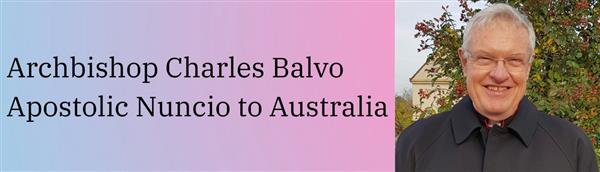
Study Group 8 was tasked with “examining how the ministry of Papal Representatives … can unfold in a more missionary and synodal perspective.” The mandate resulted in numerous meetings at the headquarters of the General Secretariat of the Synod in Rome or via Zoom.
First, a special meeting was convened with the presidents of the Episcopal Conferences present at the October 2024 Synod. Of the 61 present, 45 participated; others had personal interviews with members of the Group. A webinar was then organised with nuncios from around the world to discuss synodality (87 participants).
A letter signed by Cardinal Grech and Cardinal Oswald Gracias, Archbishop Emeritus of Bombay (India), was also sent to the presidents of the various episcopates, inviting them to offer suggestions regarding the ministry of nuncios. Another letter was sent to the diplomats themselves, inviting them to offer comments and suggestions. In both cases, the responses were positive and of great value.
The current phase is therefore one of elaboration, analysis, and sharing of content with the members of the Study Group. Considering the geographical distances involved, this will take some time, but it is expected that the final report will be delivered by the end of December 2025.
Areas of focus include: the selection process for candidates for Academia and their formation; assistance to members of the Diplomatic Service in their early years of service; regional meetings between nuncios; and care after retirement.
Controversial doctrinal, pastoral and ethical issues
“A conversion of thought and a transformation of practices in contextual fidelity to the Gospel of Jesus” was the starting point for the work of Study Group 9 on controversial doctrinal, pastoral, and ethical issues.
It also addressed issues that seemed more appropriate to define as “emerging” rather than controversial, such as “homosexuality, conflicts and non-violent practice of the Gospel, and violence against women in situations of armed conflict.”
The report specifies that the objective is not “to provide solutions that apply to all cases, but rather to offer reference criteria.” The horizon is the “principle of pastorality,” i.e. the logic that “to the logic whereby there can be no proclamation of the Gospel of God without recognizing and promoting the subjectivity of the other, along with an attitude of hospitality and responsibility toward the interlocutor.”
The ecumenical journey
Synodality and Christian unity are two interdependent themes. Starting from this principle, Group 10 explored the fruits of the ecumenical journey with reference to three issues: synodality and Petrine primacy; Eucharistic hospitality, with particular attention to interconfessional couples and families; the phenomenon of “non-denominational” communities and Christian-inspired “revival” movements.
After developing a theological and pastoral framework, consultations are underway with the Dicastery for Promoting Christian Unity; with ecumenical communities such as Taizé, Chemin Neuf, Focolari; and with theologians from different continents.
The goal is to draw up “practical orientations for local Churches, contributing to both the synodal shaping of the Catholic Church and the advancement of the ecumenical journey towards full visible unity.”
Liturgy in a synodal perspective
The study group on liturgy, which was commissioned by the Pope as previously noted, is showcasing its findings for the first time.
The team, led by the Dicastery for Divine Worship and working with the Synod's General Secretariat, will begin fulfilling its mandate by considering the connection between the Eucharistic celebration and the Church's synodal missionary ministry.
Promoting "in particular the recognition of the role of women, especially where they continue to suffer forms of discrimination, including through the highlighting in the liturgical lectionaries of scriptural testimonies about the role of women in the history of salvation" is one of the subjects being discussed.
Canon Law Commission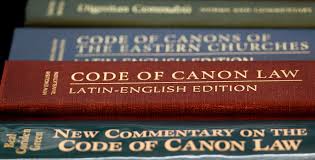
In addition to the 10 Study Groups' interim reports, there is the report produced by the Canon Law Commission during the Synod's inaugural session in 2023. Since then, the Commission has met eight times to debate matters pertaining to Episcopal Conferences/Particular Councils, women and laity, and participative bodies. The possibility of altering the current legislation is being evaluated.
Polygamy
The Church in Africa has established a group of experts inside SECAM to address the issue of polygamy. Twelve experts in biblical studies, anthropology, canon law, and pastoral care from various islands and regions are considering ways "to promote theological and pastoral discernment regarding polygamy and to accompany persons in polygamous unions who are coming to the faith."
"Listening, appreciating, and engaging" are the three stages of the created process.
"What pastoral care is appropriate for those found in polygamous relationships according to the Gospel?" is one of the main questions. What pastoral programmes can help Christians embrace monogamous marriage?
Additionally, the committee created a draft text that was sent with the Dicastery for the Doctrine of the Faith and included "specific considerations to be addressed" in addition to "encouraging feedback." As a result, the document has not been delivered to the national Episcopal Conferences and is currently undergoing additional editing. But last summer, at the SECAM plenary assembly in Kigali, Rwanda, theologians and bishops discussed and presented it.
Read the full text of the Interim Reports of the Study Groups at the website of the Synod.