Women in Catholic Chaplaincy

The Military Diocese seeks to attract women into Catholic chaplaincy.

Women Chaplaincy 
 

The Military Diocese seeks to attract women into Catholic chaplaincy, either as full time or part time (Reservists) across Navy, Army or Air Force. Only one Catholic woman, Jean Johns, over the period of 2009-2014, has served in Air Force chaplaincy. Today, women form a sizable percentage in the Chaplaincy cohort, both from Christian, Hindu and Jewish faith traditions. At present, the Military Diocese has two women preparing for ministry. Hopefully, this is the start of a steady stream of suitable women wo see the Defence chaplains as an extremely attractive and viable ministry serving both the Church and ADF.

The role of women in the church is vital, and certainly so within the ADF with an ever-increasing female representation in the Services. Female chaplains are highly sought and welcomed. 

Within the Catholic community, the role of both women and men is evolving as we grow in the understanding of Christian baptism. All are called to live out their baptismal call, to acknowledge the church as their own and to contribute to its life in the world. This is a call to co-responsibility, greater than merely collaboration with clergy, but co-responsible discipleship, a vocation to contribute to the Church’s missionary impulse. 


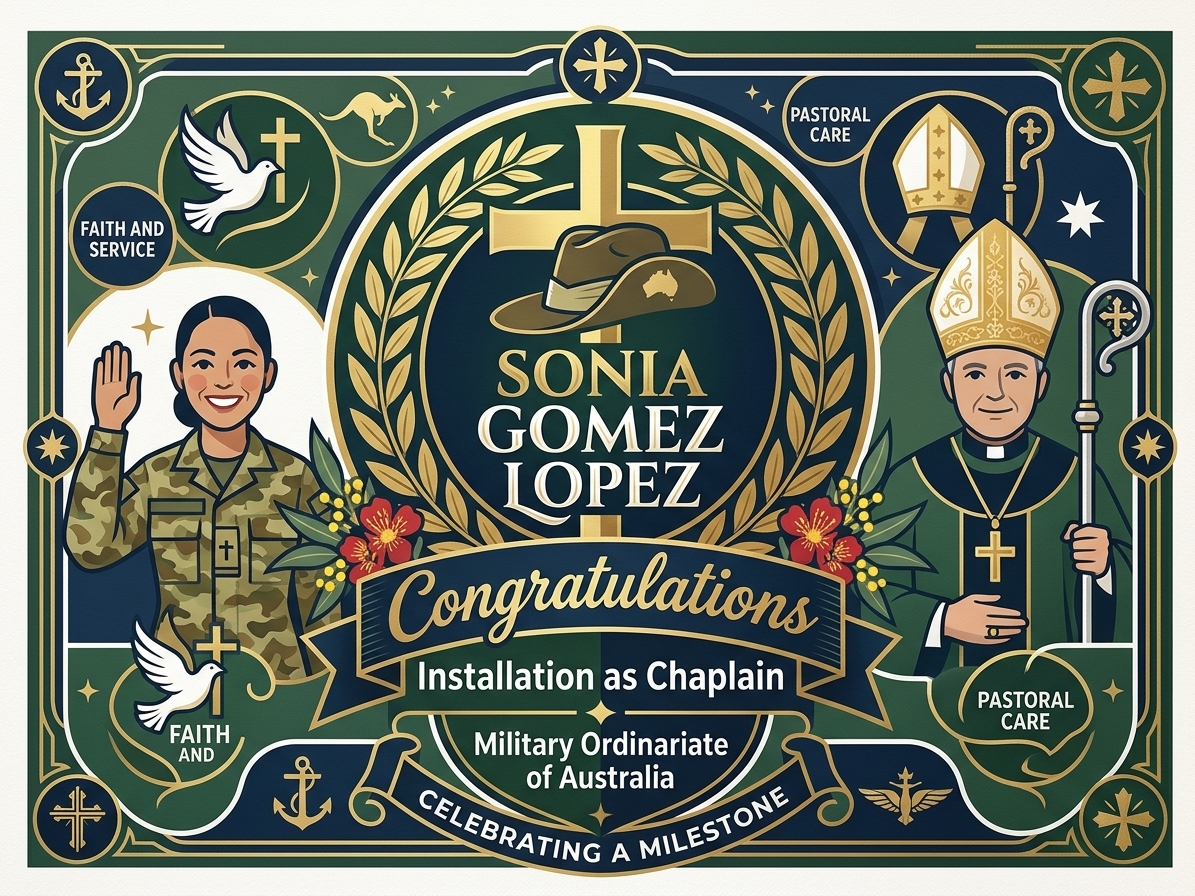
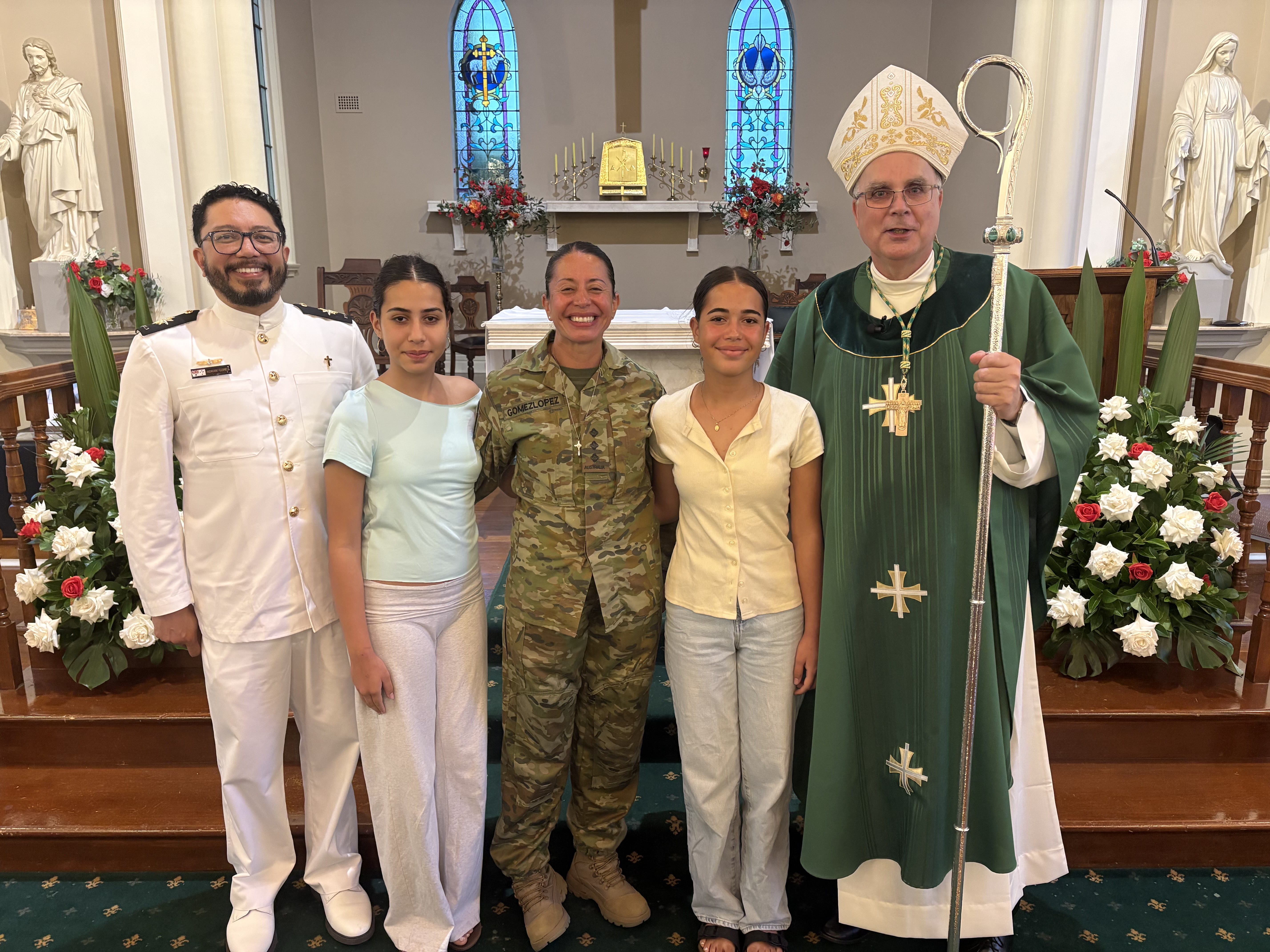
A Calling to the Frontlines of Faith: Joint Military Presence Celebrates New Acolyte’s Journey to Chaplaincy
 

The Institution of Acolytes is a formal, stable lay ministry in the Catholic Church conferred by a bishop through a liturgical rite. Rooted in baptism rather than holy orders, the role is open to both men and women (following amendments by Pope Francis in 2021) as well as seminarians preparing for the priesthood. 
 
Core Responsibilities
An instituted acolyte assists priests and deacons in liturgical celebrations and service to the community: 
  • Altar Service: Prepare the altar and sacred vessels (chalices, patens, and ciboria) and assist with the presentation of gifts and incense.
  • Eucharistic Distribution: Distribute Holy Communion as an extraordinary (or proper) minister during Mass and bring communion to the sick or homebound. 
  • Vessel Purification: Purify and arrange sacred vessels after communion according to liturgical guidelines. 
  • Adoration and Training: Publicly expose the Blessed Sacrament for adoration (excluding benediction) and help train altar servers and extraordinary ministers of communion.
History and Context
  • Origins & Reform: Originally a minor order next to the subdiaconate, Pope Paul VI reformed the role in 1972 through the motu proprio Ministeria Quaedam, replacing minor orders with instituted ministries. 
  • Inclusion of Women: In January 2021, Pope Francis issued the motu proprio Spiritus Domini, formally opening the ministries of lector and acolyte to women on a permanent basis. 
  • Local Practice: In Australia and other dioceses, candidates typically undergo structured formation, background and working-with-children checks, and a formal application process through their parish and archbishop or bishop. 
For local guidelines or training pathways, you can consult regional resources such as the National Liturgical Council or the Military Diocese. 

Women are encouraged to learn more about the opportunities with Defence chaplaincy, talk with their local chaplains if already in Defence, or contact the Chancery on 02 6242 4427.


Enquiries for Navy, Army, or Air Force Chaplaincy please ask for a Catholic Chaplain
 Defence Switch: 1300 333 3623